GHK-Cu Overview
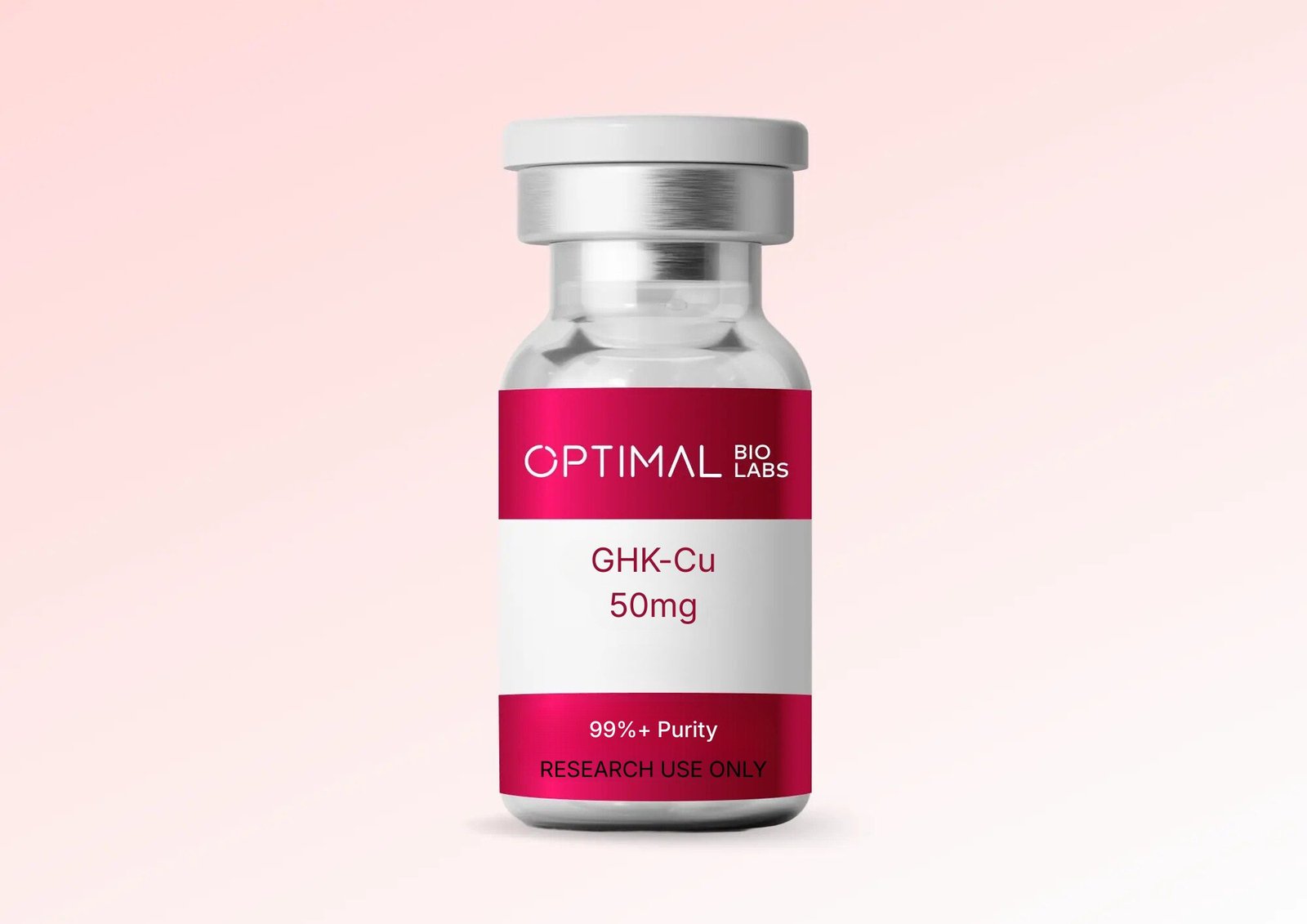
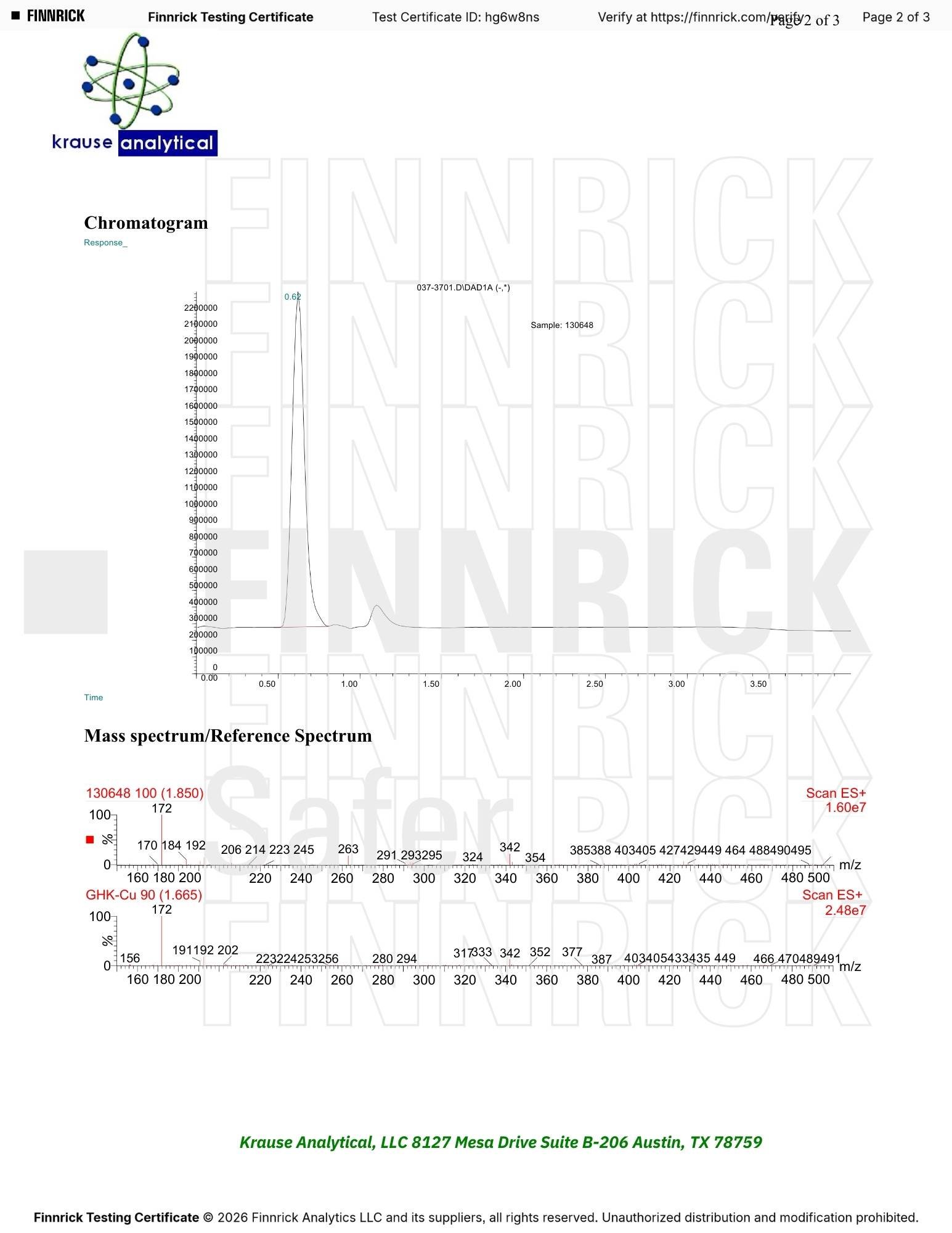
GHK-Cu 50mg is a research-grade peptide utilized in laboratory models to study dermal structural integrity and extracellular framework mapping. This specialized copper complex allows researchers to observe how molecules coordinate structural refresh signals and maintain biochemical harmony within the skin’s cellular matrix. Investigators use this compound to track peptide–metal interactions and the maintenance of systemic vigor at a molecular level.
Researchers employ GHK-Cu to analyze how copper-mediated signaling influences the timing of gene-expression patterns and pathway modulation. By mapping these extracellular cascades, investigators gather technical data on how cells manage architectural coordination and maintain biological agility.
Current studies focus on exploring the mechanisms of signal-specificity and cellular response dynamics. This 50mg vial provides a robust technical framework for investigating the resilient signaling networks that support dermal integrity, offering a deeper look at molecular persistence without focusing on clinical skin repair or rejuvenation outcomes.
GHK-Cu Structure:
CAS Number: 89030-95-5 (Copper tripeptide-1)
(Parent ligand GHK: CAS 49557-75-7)
- Molecular Formula (GHK-Cu complex): C₁₄H₂₄CuN₆O₄
- Molecular Weight: 403.92 g/mol (GHK-Cu complex)
- Parent Compound: GHK (glycyl-L-histidyl-L-lysine)
- Monoisotopic Mass: 403.1155 Da (GHK-Cu complex)
Synonyms:
- Copper tripeptide-1
- GHK-Cu; Cu-GHK
- Prezatide copper
- Tripeptide-1 copper
- glycyl-L-histidyl-L-lysine:copper(II)
Research Areas:
-
Dermal Cellular Signaling Models: Investigating cellular communication pathways, extracellular-matrix signaling, and biomarker activity in dermal research systems.
-
Extracellular Matrix Pathway Research: Studying matrix-associated signaling pathways and the regulation of structural-protein expression in controlled laboratory models.
-
Oxidative-Stress Signaling Research: Examining molecular signaling pathways associated with oxidative-stress markers and cellular-response regulation in experimental systems.
-
Follicular Cellular Signaling Models: Investigating signaling pathways associated with follicular cellular activity and biomarker expression in laboratory research environments.
-
Photobiology Research Models: Studying cellular signaling responses to ultraviolet exposure and associated biomarker modulation in controlled experimental systems.
-
Structural-Tissue Signaling Research: Examining molecular signaling pathways involved in extracellular-matrix organization and tissue-architecture regulation.
Condensed Research Summary
GHK-Cu 50mg is a specialized research analyte used to explore the pathways of dermal structural integrity and matrix refresh signaling. In laboratory settings, this copper complex allows researchers to observe how molecular interactions coordinate extracellular framework mapping and maintain biochemical harmony within a controlled environment. These exploratory studies focus on the timing of architectural coordination signals and how peptide–metal interactions support systemic vigor, providing technical data on signaling behavior without any therapeutic or diagnostic applications.
Research-only note: GHK-Cu is not FDA-approved for therapeutic use; published effects are primarily preclinical and exploratory.