
$176.00 Original price was: $176.00.$159.00Current price is: $159.00.Save $17.00
Contents: 4 Vials
Research Note: Do not combine NAD+ in the same solution due to pH incompatibility
Form: Lyophilized Powder
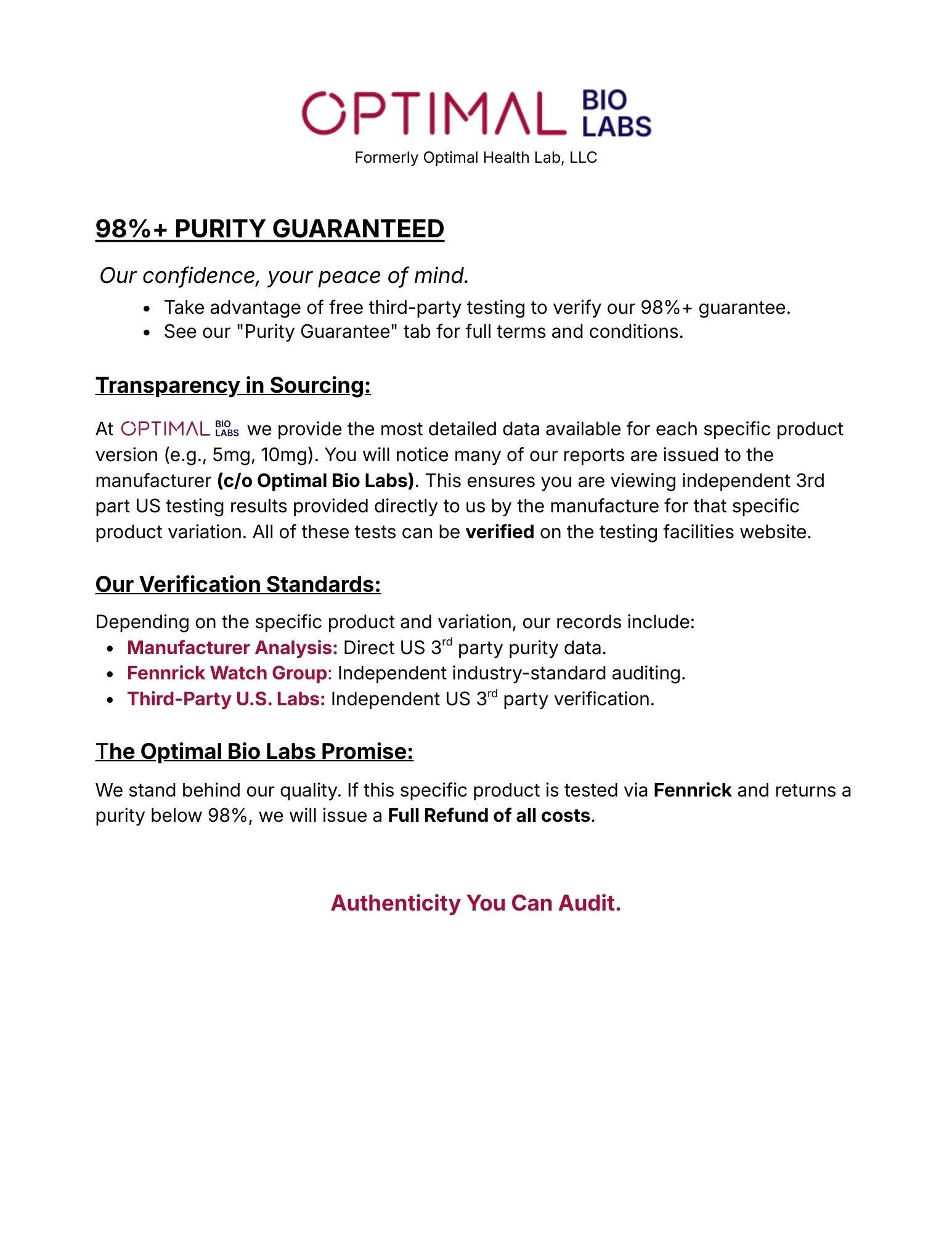
Purity: ≥ 99% USA Tested, Verified Purity (HPLC Tested)
Verification: Verifiable COA’s (Batch-Matched)
Emerging Research Evidence:
Investigators utilize these analytes to examine signaling pathways involved in stress-response mechanisms and neurochemical balance under controlled laboratory conditions. The collection provides a technical framework for observing molecular interactions associated with neuroendocrine and neurotransmitter systems in experimental models.
Keep product in cool, dark place.
Sold for Research Use Only / Not FDA Regulated
Batch-verified inventory. See Individual Products for 3rd Party COA’s
In stock
⚠️ Requires Sterile Water for Reconstitution
For laboratory use only.
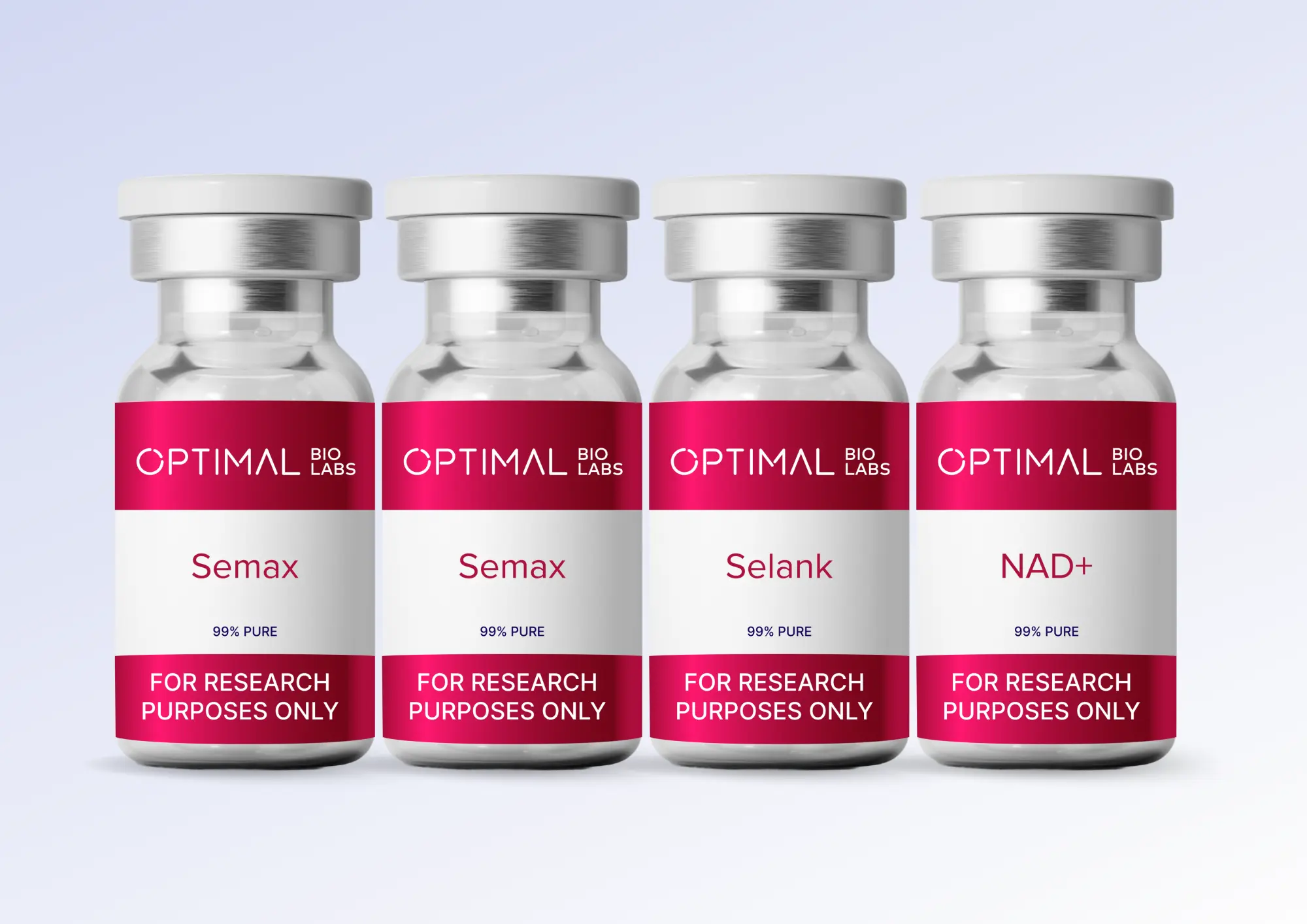
This research collection is designed for laboratory investigation of neurochemical signaling pathways involved in stress response, attention processes, and cellular energy metabolism. The included analytes are commonly studied in controlled experimental models to evaluate biomarkers related to neurotransmitter balance, neuroplasticity, and cellular resilience.
By combining these compounds into a single research set, investigators can examine how multiple biological pathways interact under standardized laboratory conditions, supporting integrated analysis of neuroendocrine and metabolic signaling mechanisms.
Neuropeptide signaling overlap: Semax and Selank are investigated for their roles in neuropeptide-mediated signaling pathways associated with stress-response modulation and neurotransmitter activity in laboratory models.
Stress-response pathways: Evaluate mechanisms related to GABAergic modulation and neurotrophic signaling reported in preclinical research.
Cellular energy & DNA maintenance — evaluation of NAD+-related metabolic and genomic stability pathways
Neurotransmitter balance: Study compound-driven influences on neurotransmitter signaling, enkephalin metabolism, and neurochemical markers in laboratory models.
Cognitive processing markers — analysis of BDNF/NGF expression, neuroplasticity indicators, and attention-related metrics in preclinical model
Inflammatory signaling: Investigate cytokine balance and potential anti-inflammatory activity reported in immunological research.
This heptapeptide analog of an ACTH fragment is extensively studied for its potential to support neuronal resilience, learning acquisition, and memory retention markers. In laboratory environments, investigation centers on its neuroprotective effects and its correlation with enhanced cognitive performance models following ischemic research events. Scientists explore its role in modulating attention and stress response pathways, specifically through the regulation of brain-derived neurotrophic factor (BDNF) and nerve growth factor (NGF) expression. While utilized internationally for specific neurological contexts, research in the United States remains investigational, focusing primarily on the underlying mechanisms of action regarding neuroplasticity and cellular signaling.
This synthetic regulatory compound is researched for its potential application in evaluating anxiolytic pathways and cognitive enhancement markers in laboratory models. Its mechanism is believed to involve the modulation of GABAergic receptors and the regulation of enkephalins, providing a unique framework for studying mood stabilization and antidepressant-like effects. Scientific literature suggests the compound may offer neuroprotective benefits and influence immune cytokine expression, particularly when observing stress-induced instability. Current research is ongoing to fully elucidate its pharmacological profile and its ability to modulate behavioral responses without the traditional sedation associated with other receptor ligands.
As a critical coenzyme found in all living cells, this molecule is essential for investigating cellular energy production, mitochondrial biogenesis, and DNA repair mechanisms. It acts as a primary substrate for redox reactions, facilitating the generation of ATP while serving as a vital cofactor for sirtuins and PARPs involved in genomic stability and longevity pathways. Because endogenous levels of this coenzyme naturally decline during the cellular aging process, it remains a primary subject of research regarding metabolic function and the mitigation of age-related cellular decline. Ongoing studies continue to evaluate the full scope of its impact on systemic homeostatic maintenance and cellular metabolism.
These compounds are supplied for laboratory research use only. They are not FDA-approved and are not intended for human or veterinary use. Published findings referenced are preclinical and exploratory in nature.
For Research Use Only — Not for Human or Veterinary Use. Not evaluated or approved by the FDA. Not intended to diagnose, treat, cure, or prevent any disease. All information on this website is provided strictly for laboratory research and educational purposes. Nothing herein constitutes medical, clinical, or legal advice, nor an endorsement of non-laboratory use. Any discussion of specific peptides or potential research findings is informational only and must not be interpreted as guidance for use in or on humans or animals.